Switzerland remains competitive in tax terms
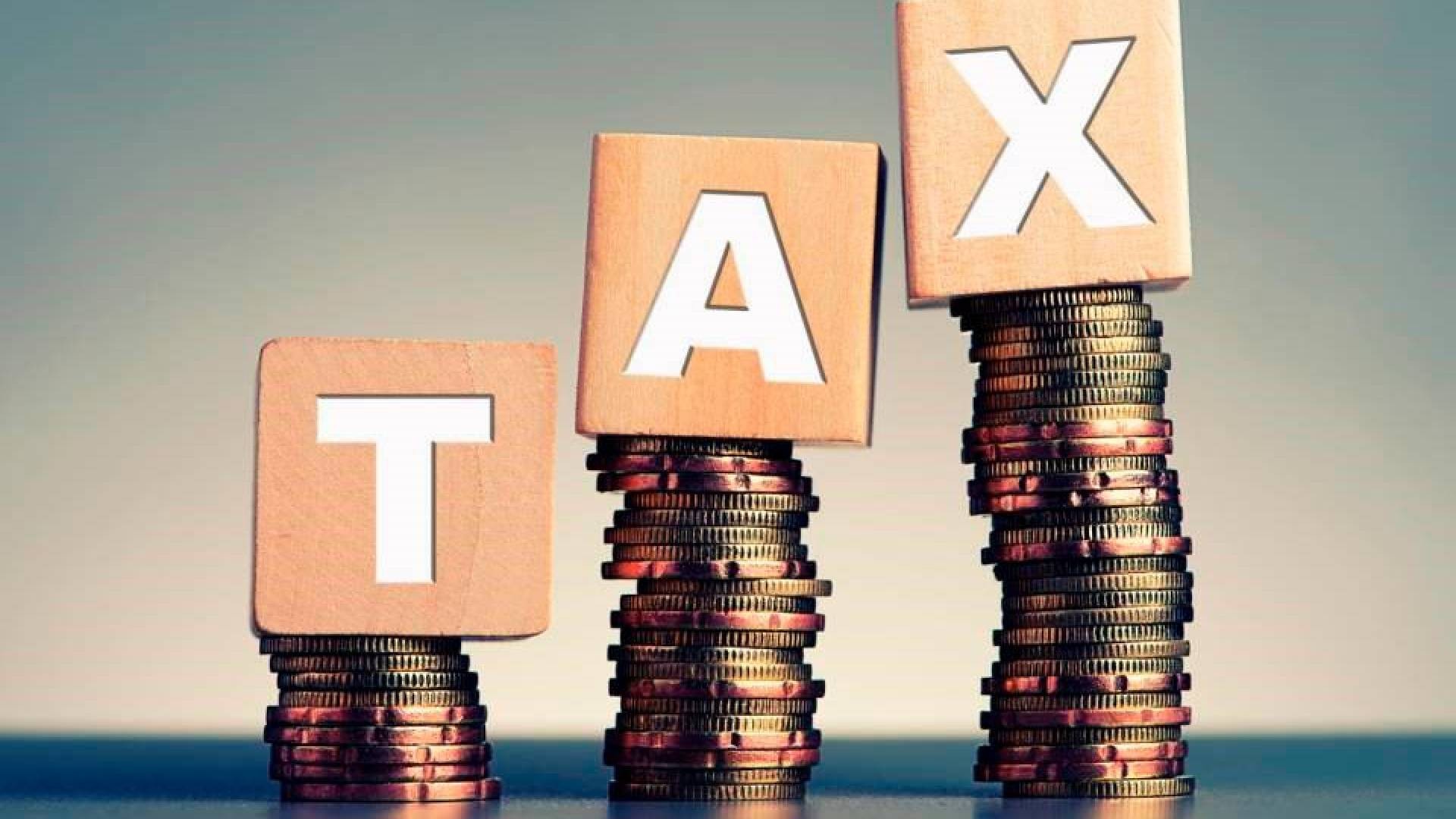
The tax competitiveness of the Swiss market remains good. Thanks to the implementation of the reform, the corporate tax rate decreased last year, positioning Switzerland well across an international level.
After years of stagnation, the average rate dropped by two percentage points, from 17.1% to 15.1%, confirmed the consultancy firm KPMG today in the "Swiss Tax Report 2020". The study compares 130 countries, including the Confederation and its 26 cantons.
For example, the reform reduced the rate in Geneva from 24% to 14%. Ticino, just under 19.2%, is above the national average and chases only Valais, Bern, and Zurich, all above 21%. With its 11.9%, Zug is the most advantageous canton from this point of view, ahead of Lucerne (12.3%) and Glarus (12.4%), while Grisons is at 14.7%.

Ticino, however, is one of the cantons in which, by 2025, one of the most sensitive tax falls (-3.3%) is on the horizon. The reduction should be even more pronounced for Valais (-4.8%) and Basel-Landschaft (-4.5%).
In 2007, when KPMG launched the first edition of its research, the Swiss tax rate was around 20%. In any case, this is not enough to guarantee the fiscal attractiveness of a state in the long run. Other factors come into play, without forgetting a global level - such as the BEPS project conceived by the Organization for Economic Cooperation and Development and by the G20 - aim to fight against tax evasion by taxing profits where they are generated.
For KPMG, this "paradigm shift" promises to upset the situation. The coronavirus crisis also threatens to increase competition, with heavily indebted nations fighting for their tax revenues.
Internationally, the most advantageous Swiss cantons are comparing with Ireland, Liechtenstein and Cyprus, all at 12.5%, and offer companies better conditions than in Asian markets such as Hong Kong (16.5%) and Singapore (17 %). At European level, Malta (35%), Germany (30%) and France (28%) are the most demanding countries.
Switzerland is beaten by Qatar, which has a 10% rate. Tax havens such as the Bahamas, Bahrain, Bermuda and the Cayman Islands, which do not provide for the minimum corporate tax, are off the charts.
As regards the taxation of individuals with high incomes, the canton of Zug (22.4%) enters the European top ten, led by Eastern states such as Bulgaria (10%), Romania (10%) and Hungary (15% ). The Swiss average is 33.8%: the least accommodating is Geneva (44.7%), with Ticino (40.1%) also among the most demanding.
Nordics like Sweden (57.2%) and Denmark (55.9%) have the highest taxes on the continent. On a global scale, powers such as Japan (46%), China (45%) and the United States (37%) are in a rather high range.