Lugano, the former slaughterhouse and a beach of dreams
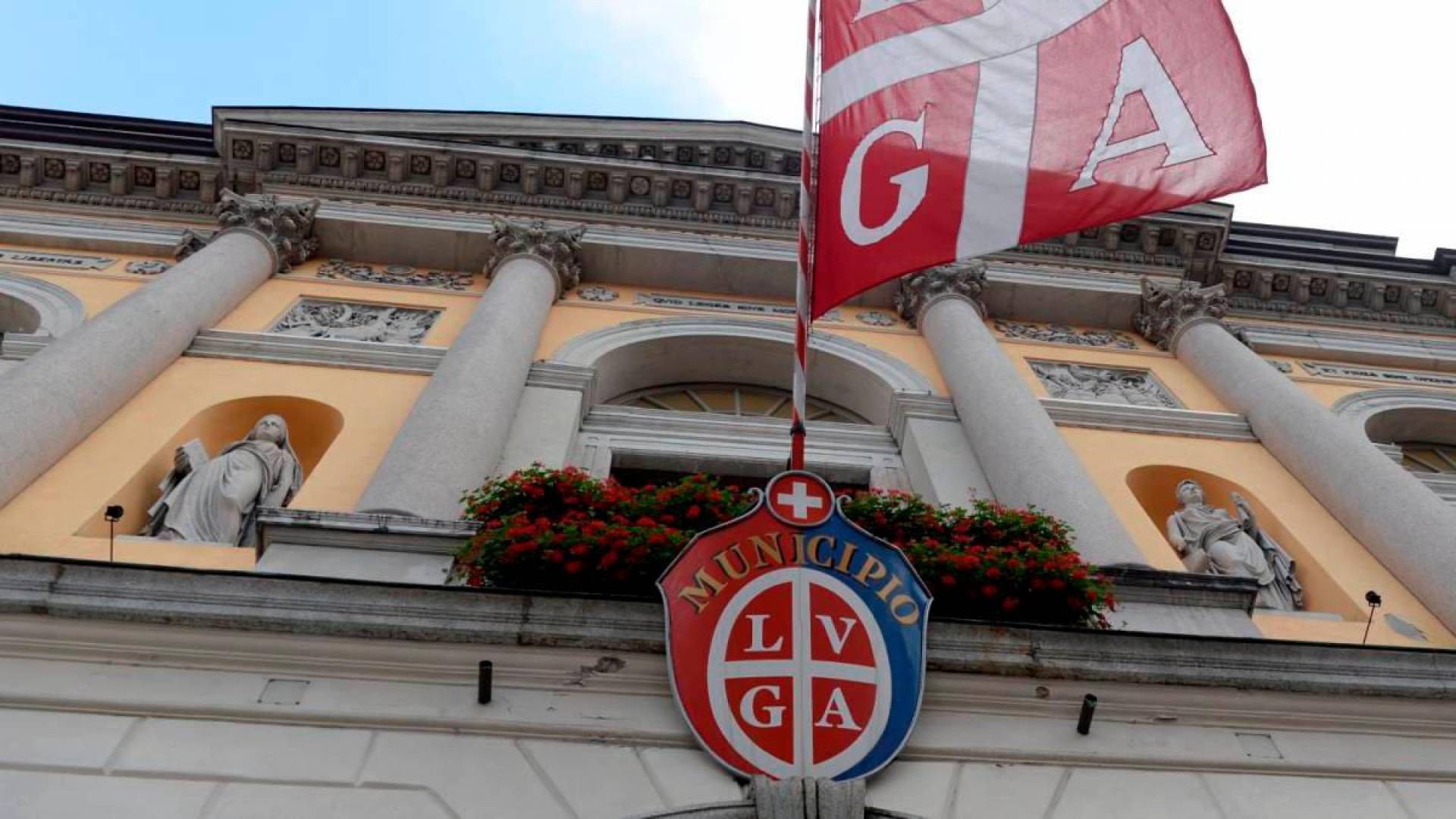

The self-management headache appears to not want to leave Lugano in peace, neither during the Christmas holidays: on Monday evening some tens of autonomous people staged a small and unauthorized demonstration in the streets of the city and chanted choruses of critique primarily towards Michele Foletti who, after the last squatting of the ex-Macello, immediately used the tough stance. Foletti would be guilty of being less accepting and sympathetic than his predecessor, the late Marco Borradori, who was also, at the time, challenged in front of his house by the inhabitants of Molinari. It is surprising that the former persist in demanding a space congenial to them and at the same time avoid - among sporadic and timid signs of coming to their senses - a truly decisive and planning discussion with the municipal and cantonal institutions, preferring to launch themselves every time into impulsive actions. It seems that the goal is not to have a place to set up one’s own community, one presumes for free, but, to use a simple but effective expression, to «make a mess».
However, as we have written on several occasions in these columns, Lugano cannot be held hostage by a small group that is unable to organize its requests (provided that it has identified and elaborated them) and that doesn’t respect the basic rules of civil coexistence. Unfortunately, this problem of self-management will accompany us also in the next months: it is to be hopeful that it will melt with the summer, since it is not a nice sight. In this desolating panorama, we welcome new ideas and new projects that may allow the city not to turn in on itself, entering a spiral of self-provincialization from which it would not come out for years, but to expand its horizons. The ambitious ex-mayor Giorgio Giudici, many years ago, even dared to predict a «small Hong Kong» style model for his city: a fascinating image, but that was before the consistent drop in tax revenues from the banking sector and the consequent, inevitable, downsizing of the project.
Today, with the sports and events hub dragging the spirits and wallets, on the banks of the Ceresio there is a return to fantasy, more small-scale, but in the same vein as was indicated at the time. One example is the much-talked-about beach that could contribute to the enhancement of the lakefront, which has always been Lugano’s urbanistic cross and delight. Apart from the feasibility of a project that intrigues and stimulates the imagination - and that today is taken more seriously by the Municipality, following the provocation launched three years ago by Alessio Petralli - it is important that Lugano continues to look ahead, that it does not experience the shock of the PSE (or the previous one of the LAC) as being isolated or the croisette as unattainable: no one in twenty years would want to live in the exact same city as today, also because this would only mean an economic heart attack.
The city has the possibility and the obligation to look at its deepest values and at the same time to not close in on itself. From this point of view, the beach is becoming a recurring and transversal idea - only at first glance purely aesthetic - and it is a sign that there is some good in it: for the moment, no great side effects can be seen, except perhaps that of seasonalizing too much a certain valuable area. That Lugano ought to facilitate the encounter between the city and the lake has been known since at least the 1960s. That Petralli’s Copacabana remains a dream is also possible. But dreams, it is certain, can help us live better and Lugano and its citizens, especially after the last dark pandemic periods, must not lose the will to try.