The Earth is spinning one second faster than time
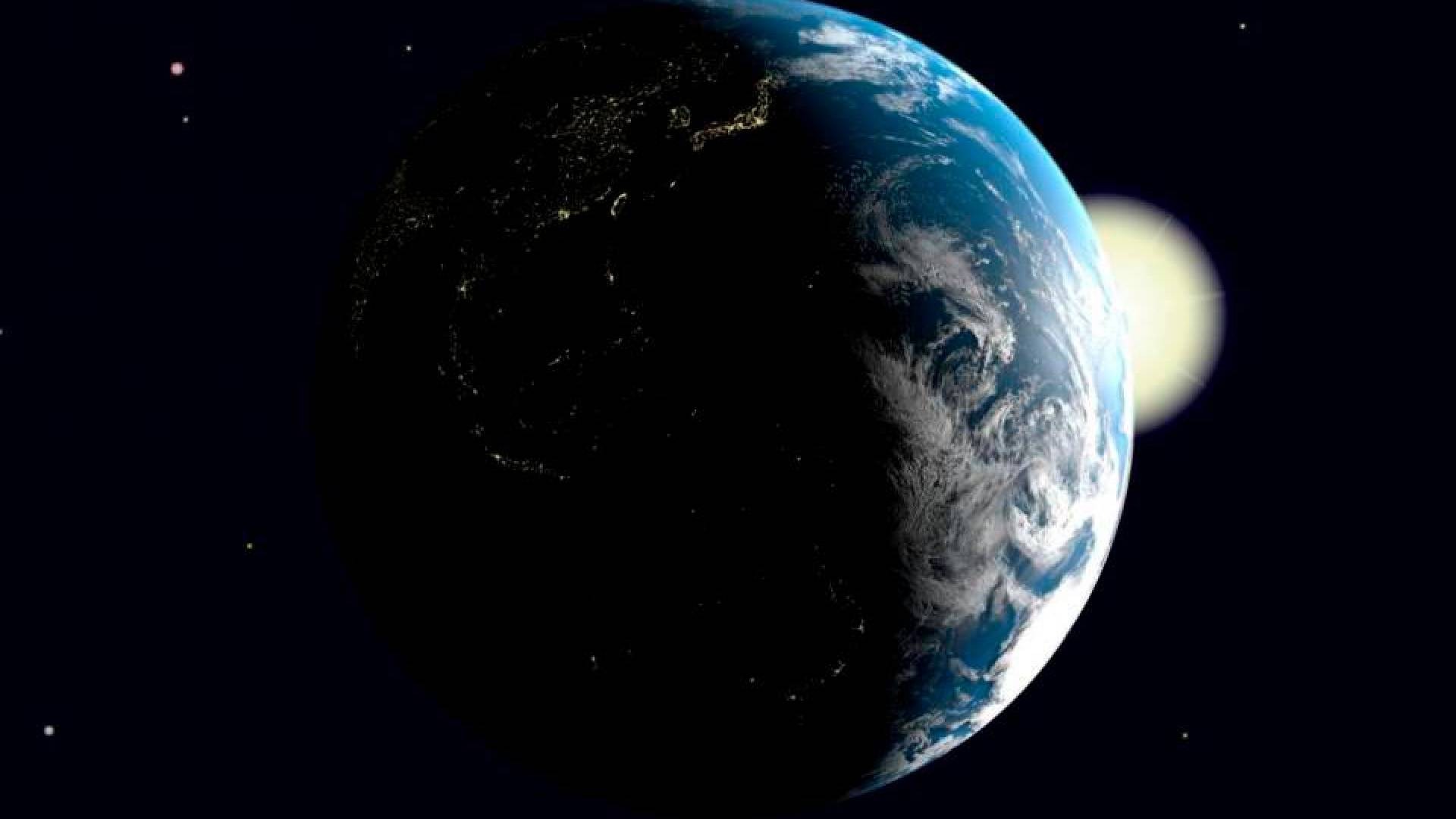

In the next few years, the world’s atomic clocks may need to be adjusted. The Earth, in fact, has recently increased the speed of rotation on its axis and in 2020 it often took less than the canonical 24 hours (86,400 seconds) to complete one revolution on itself. How much less time? According to the site Timeanddate on the shortest day of 2020, July 19, of 1.4602 milliseconds less than 24 hours. But that’s enough: accumulated, these milliseconds can, in the long run, lead to serious mismatches with the time reported on our instruments. The solution could therefore be to make the atomic clocks «jump» a second, when the earth’s rotation has accumulated such a gap.
What is striking is that, in the last 50 years, the scientists involved in measuring time had had to propose the opposite solution several times, that is to add a second (called leap second). This is because our planet was slowing down, taking more than 86,400 seconds to complete one rotation. Since 1972, this measure has been necessary 27 times, at a distance of about a year and a half from each other.
2021 could be a year with even shorter days: according to the calculations of the International Earth Rotation and Reference Systems Service (IERS), atomic clocks will accumulate, by the end of December, about 19 milliseconds of delay. Consider that in recent decades, however, these measuring instruments ended up running faster than the Earth by a few hundred milliseconds: a not inconsiderable change of trend.
The melting of the ice and the influence of other celestial bodies
There are several reasons that dictate these changes in speed in the rotation of the Earth, but among them there is also climate change. Interviewed by the Weather Channel, Dr DK Aswal, director of the UK’s National Physical Laboratory, stressed that what has a significant influence is the distribution of mass on our planet, and what the melting of the ice is bringing about great changes in this sense.
Not to be forgotten is the strong influence of the gravitational fields of the other celestial bodies, first the Sun and the Moon, which can modify the rotation speed of the Earth.